
Literacy Trends in NZ Early Education: Will Handwriting Survive the Screen Age?
Posted by Every Educaid on 7th Oct 2026
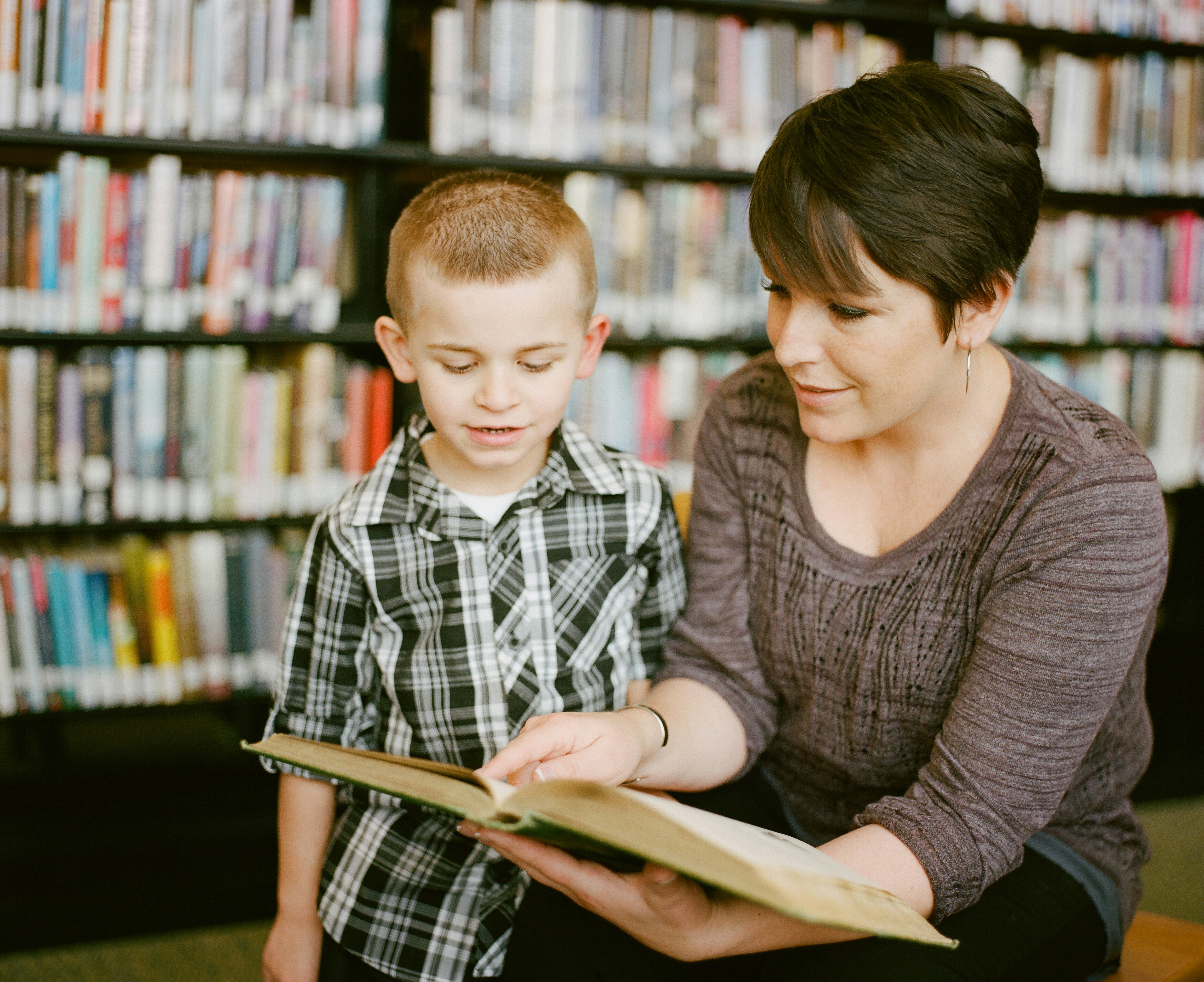
A five-year-old walks into their first day of school. They can unlock a tablet, find their favourite show and skip an ad in seconds. Hand them a pencil and a notebook, though, and the grip feels awkward and the letters come slowly.
For many children growing up in Aotearoa today, a screen feels more natural in their hands than a pencil. Teachers are noticing, and it raises a question worth asking out loud: if technology keeps moving at its current pace, how long before handwriting, and the deep reading that grows alongside it, starts to feel optional?
At Every Educaid, we don't believe that day has to come. But the latest literacy trends in NZ show early education is at a turning point, and the next few years will decide which way it goes.
How screen time is affecting early education in NZ
Many Kiwi kids now meet screens well before they meet books. Research from Growing Up in New Zealand, the country's largest study of child development, found preschool screen time averaged around 1.5 hours a day at age two, rising to about two hours by the time they were nearly four. Ministry of Health guidance recommends none at all for under-twos. Across all ages, the 2019/20 New Zealand Health Survey found 88 percent of children aged under one to 14 exceed recreational screen time guidelines.
The trade-off shows up later. Children with more screen exposure between nine months and five years scored lower on language and early literacy skills at ages five and eight. Every hour on a device is an hour not spent turning pages, forming letters or chatting with a grown-up.
Are NZ reading levels falling? The latest literacy trends
Our results have been sliding for years. In the international study of Year 5 reading, New Zealand's PIRLS reading score dropped from 532 in 2006 to 521 in the 2021 round, the lowest since testing began in 2001. The same study found children's enjoyment of reading and reading confidence had waned.
Closer to home, only 56 percent of Year 8 students were at the expected level for reading, and just 35 percent for writing, according to data cited when the Government announced structured literacy in all state schools. Since Term 1 2025, primary schools have been required to teach reading and writing in Years 0 to 3 using this explicit, sounds-first approach, with a target of 80 percent of Year 8 students at curriculum level by 2030.
To support the shift, schools receive an annual Ministry contribution towards literacy materials, paid each October until 2027, and many junior classrooms have since been restocked with structured literacy resources such as phonics games, sound cards and teacher guides.
A proposed ECE screen ban and limits in primary schools
The screen debate landed in New Zealand's 2026 election campaign. In September 2026, the National Party pledged to end screen use in early childhood education, tightly limit screens in Years 1 to 3, and require the writing of primary school assessments to be done on paper.
National’s Education spokesperson Erica Stanford says young children need more books, handwriting, conversation and hands-on play, and that technology “should enhance learning, not become the default way children learn.”
The policy also includes a School Start Check in ECE, after teachers reported some new entrants arriving without the oral language skills or pencil confidence they need.
Top 6 ways to build early literacy skills without screens
Policy can set the direction, but literacy is built day by day in centres, classrooms and family homes. Here are six ways teachers, centre owners and parents can help children build strong literacy skills.
- Talk more than you think you need to. Oral language is the foundation for reading and writing. Narrating the day, sharing stories and asking open questions builds the vocabulary children later meet in print. Storytelling puppets and props make this easy with a group or at home.
- Play with sounds before letters. Rhyming, clapping syllables and spotting first sounds build phonemic awareness, one of the strongest foundations for early reading. A resource like 50 Phonemic Awareness Activities gives kaiako and parents quick, screen-free games to slot into the day.
- Keep pencils, crayons and chunky letters within reach. Fine motor skills come before neat handwriting. Drawing materials, scissors and giant magnetic letters let little hands practise the grip and control school will ask of them.
- Teach reading in a clear, logical order. In junior classrooms, phonics games, decodable materials and teacher guides like the Jolly Grammar Handbook 1 help children move from sounds to spelling to full sentences.
- Design spaces that invite reading and writing. For anyone building or refreshing an early learning centre, a cosy book corner at child height, a mark-making table and letters on display make literacy part of the environment. These early learning centre projects show how thoughtful fit-outs put hands-on learning at the heart of a room.
- Protect library time. A weekly school library visit or a Saturday trip to the local library keeps real books in children's hands and keeps reading feeling like a treat. Schools lean on the National Library too: its 2025 survey found 97 percent of responding schools use its resources every year.
None of these need an expensive overhaul. Small, consistent habits add up to confident readers and writers.
Will handwriting become irrelevant? The future of literacy in NZ
The future of literacy in New Zealand won't be settled by one policy or one budget line. It will be shaped in small moments: a child sounding out a word, gripping a crayon with growing confidence, choosing a library book all on their own. Our job is to make sure those moments keep happening.
Whether you're setting up a classroom, building a new centre or reading with your tamariki at home, explore Every Educaid's English literacy resources and handwriting resources, or talk to us about your centre project.